Barriers to E-Waste Recycling: Challenges, Risks, and Practical Solutions
Electronic waste is one of the fastest-growing waste streams in the world. As businesses, hospitals, data centers, and educational institutions upgrade technology more frequently, the volume of retired IT and medical equipment continues to rise.
Yet despite increasing awareness, barriers to e-waste recycling still prevent large amounts of equipment from being recycled responsibly. Understanding these barriers—and knowing how to overcome them—is essential for organizations trying to protect sensitive data, meet compliance requirements, and reduce environmental impact.
At DES Technologies, we help organizations remove these obstacles by offering secure IT asset disposition (ITAD), medical equipment buyback, and certified e-waste recycling services.
What Is E-Waste Recycling?
E-waste recycling is the process of safely collecting, dismantling, and processing discarded electronics to recover reusable materials and properly manage hazardous components. This includes IT equipment such as servers, laptops, networking hardware, storage media, and surplus medical equipment.
When handled correctly, e-waste recycling:
Reduces landfill waste
Prevents environmental contamination
Protects sensitive data
Recovers valuable materials
Extends the lifecycle of usable equipment through resale or refurbishment
Learn more about our responsible approach on our E-Waste Recycling Services page.
Why Recycling E-Waste Matters for the Environment and Public Safety
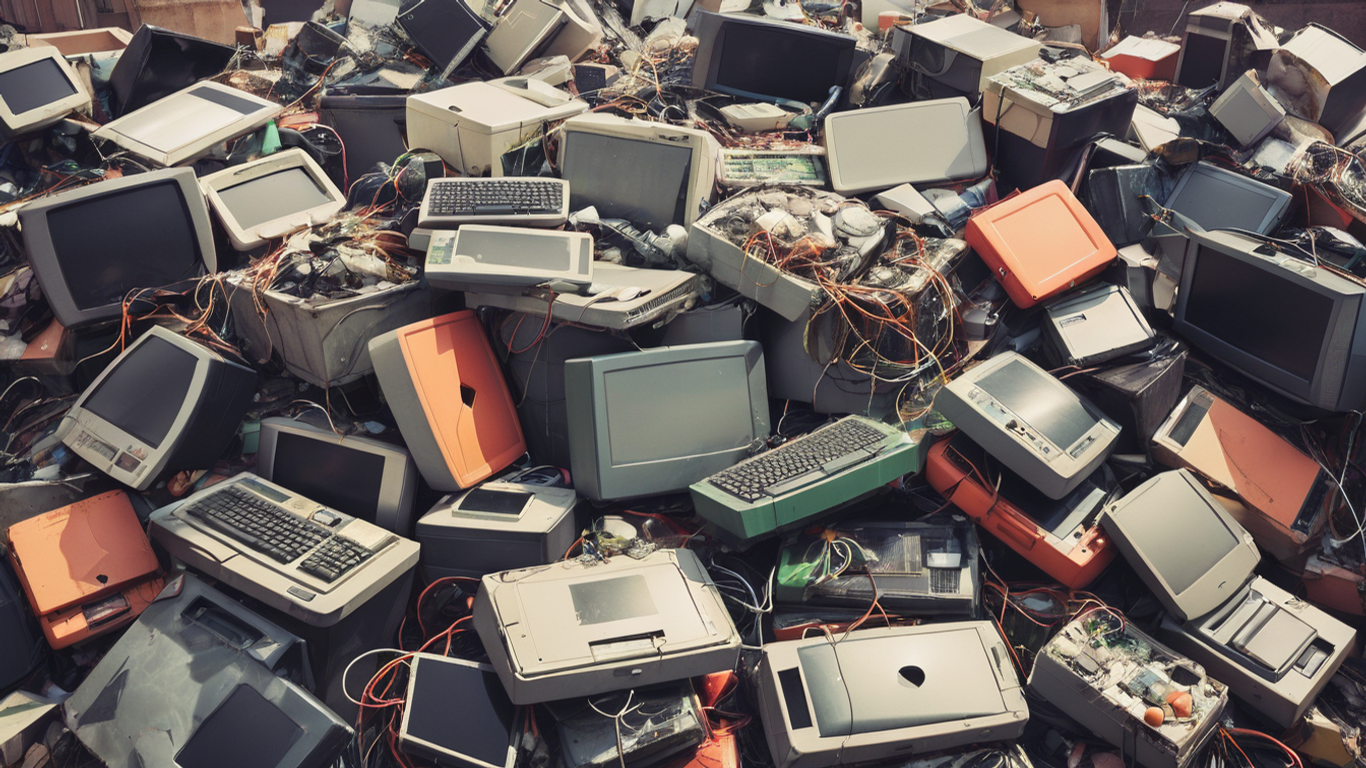
Improperly discarded electronics often end up in landfills or informal recycling operations. Many devices contain materials such as lead, mercury, cadmium, flame retardants, and lithium batteries. When left unmanaged, these substances can harm soil, water, and human health.
Responsible e-waste recycling:
Prevents toxic materials from leaching into groundwater
Reduces the need for raw material mining
Lowers greenhouse gas emissions tied to manufacturing
Supports a circular economy
There is also an economic benefit. Refurbished equipment re-enters the market, providing affordable technology while reducing overall waste.
Common Types of E-Waste Businesses Struggle to Recycle
Different electronics require different handling and recycling processes. Common categories include:
IT and Data Center Equipment
Servers and server racks
Network switches and routers
Storage arrays and tape media
Laptops and desktops
DES Technologies specializes in secure IT hardware resale and recycling. Learn more about our IT Asset Disposition services.
Medical Electronics
Patient monitoring systems
Imaging equipment
Diagnostic and lab devices
Surgical and clinical electronics
Medical equipment often includes proprietary components and sensitive data, making proper handling essential.
Consumer and Office Electronics
Desktop computers and monitors
Mobile phones and tablets
Printers and peripherals
Each category presents unique challenges, contributing to many of the barriers to e-waste recycling.
The Biggest Barriers to E-Waste Recycling
1. Lack of Awareness and Education
One of the most persistent barriers to e-waste recycling is simple lack of awareness. Many organizations:
Do not know recycling options exist
Assume disposal is too complicated
Store unused equipment indefinitely
Underestimate data security risks
Without proper education, electronics are often discarded improperly or forgotten in storage rooms and warehouses.
2. Cost Concerns and Budget Pressure
Recycling e-waste correctly requires specialized labor, equipment, and certified processes. For some organizations, cost is seen as a deterrent—even though improper disposal can be far more expensive in the long run due to:
Data breaches
Compliance violations
Environmental fines
A trusted buyback partner can offset costs by recovering value from surplus equipment, turning retired assets into revenue instead of liability.
3. Limited Recycling Infrastructure
In many regions, certified recycling facilities are not easily accessible. This lack of infrastructure creates logistical challenges such as:
Transportation issues
Long wait times
Inconsistent recycling standards
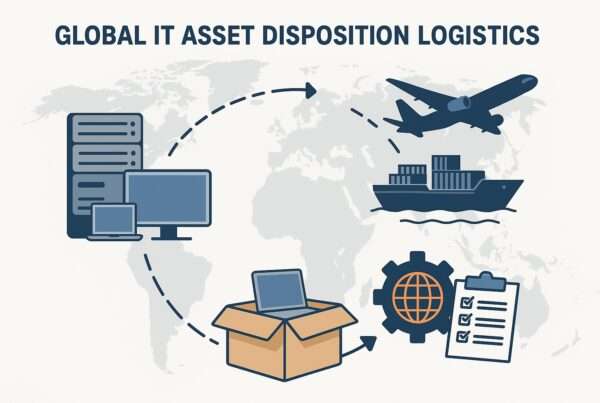
DES Technologies eliminates this barrier by handling logistics, transportation, and certified downstream recycling.
4. Data Security and Compliance Risks
Modern electronics store sensitive data long after they are powered down. Without proper sanitization, equipment poses serious risks related to:
HIPAA
GDPR
Data privacy regulations
Fear of data exposure is a major reason organizations avoid recycling altogether. Our certified Data Destruction Services ensure data is permanently destroyed using industry-accepted standards.
5. Hazardous and Complex Materials
Electronics contain a mix of valuable and hazardous materials that must be separated carefully. This process requires:
Advanced technology
Trained professionals
Regulatory compliance
Improper handling creates safety risks and discourages unqualified recyclers from accepting certain equipment.
How to Overcome Barriers to E-Waste Recycling
Partner With a Certified ITAD and Buyback Provider
Working with an experienced partner removes nearly all major obstacles. At DES Technologies, we:
Provide secure asset handling
Offer equipment resale and buyback options
Ensure certified recycling and reporting
Manage logistics and chain of custody
This transforms e-waste recycling from a burden into a streamlined process.
Implement Internal Asset Management Policies
Organizations that track assets proactively are far more successful at responsible disposal. Clear policies help:
Identify surplus equipment early
Reduce storage buildup
Improve compliance readiness
Choose Reuse Before Recycling
Whenever possible, extending the lifecycle of electronics through resale or refurbishment is the most sustainable option. Our IT Equipment Buyback program supports this approach.
How Education Improves E-Waste Recycling Programs
Education is one of the most powerful tools for overcoming barriers to e-waste recycling. When teams understand:
Environmental impact
Data security risks
Available recycling solutions
They are far more likely to take action. DES Technologies works closely with clients to explain processes, compliance requirements, and best practices—building trust and long-term partnerships.
Why Choose DES Technologies for E-Waste Recycling and Equipment Buyback?
DES Technologies is a trusted leader in:
IT asset disposition (ITAD)
Secure data destruction
Medical and IT equipment buyback
Responsible e-waste recycling
Our experience, certifications, and transparent processes position us as a reliable partner for organizations that take sustainability, security, and compliance seriously.
Final Thoughts
The barriers to e-waste recycling are real—but they are not impossible to overcome. Cost concerns, infrastructure limitations, data security fears, and lack of awareness all contribute to the global e-waste problem.
By partnering with a professional, certified organization like DES Technologies, businesses can eliminate these barriers while protecting their data, recovering asset value, and supporting environmental responsibility.
If your organization has surplus IT or medical equipment, now is the time to act.
Visit des3tech.com to learn how we can help you recycle smarter—and sell what you no longer need.